Tricot case studies
Interviews with breeders and trial managers that have employed the tricot approach for crop evaluations.
Putting Farmers at the Center: Testing Groundnut Varieties with the Tricot Approach in Kenya and Tanzania
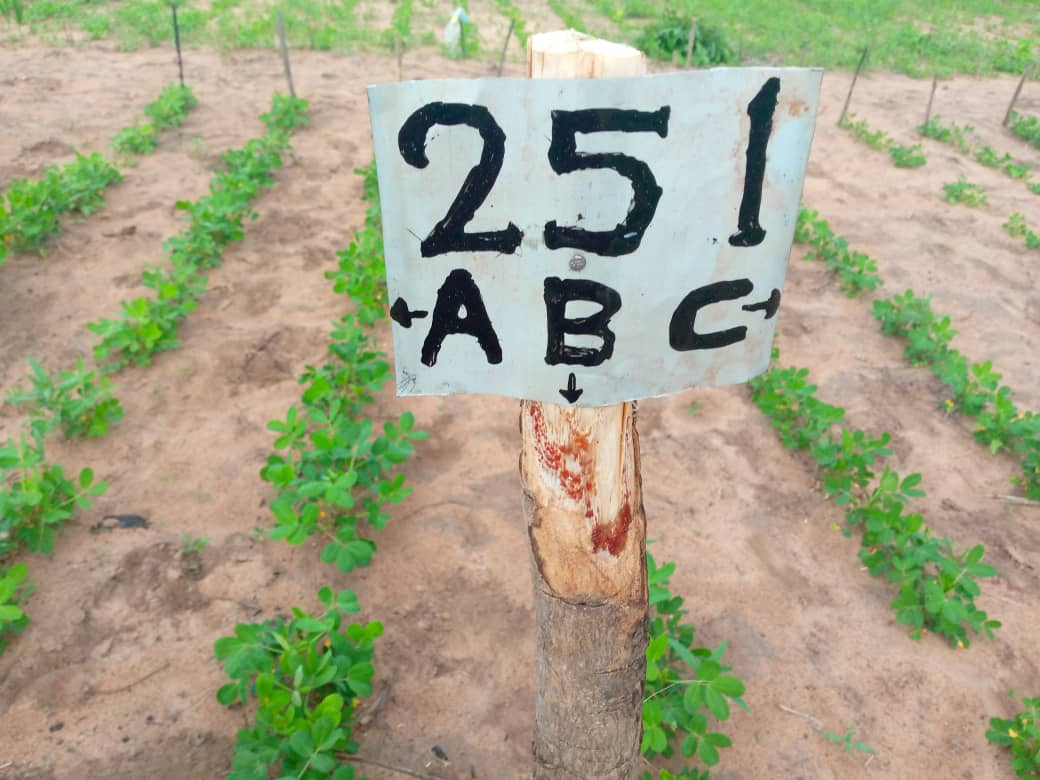
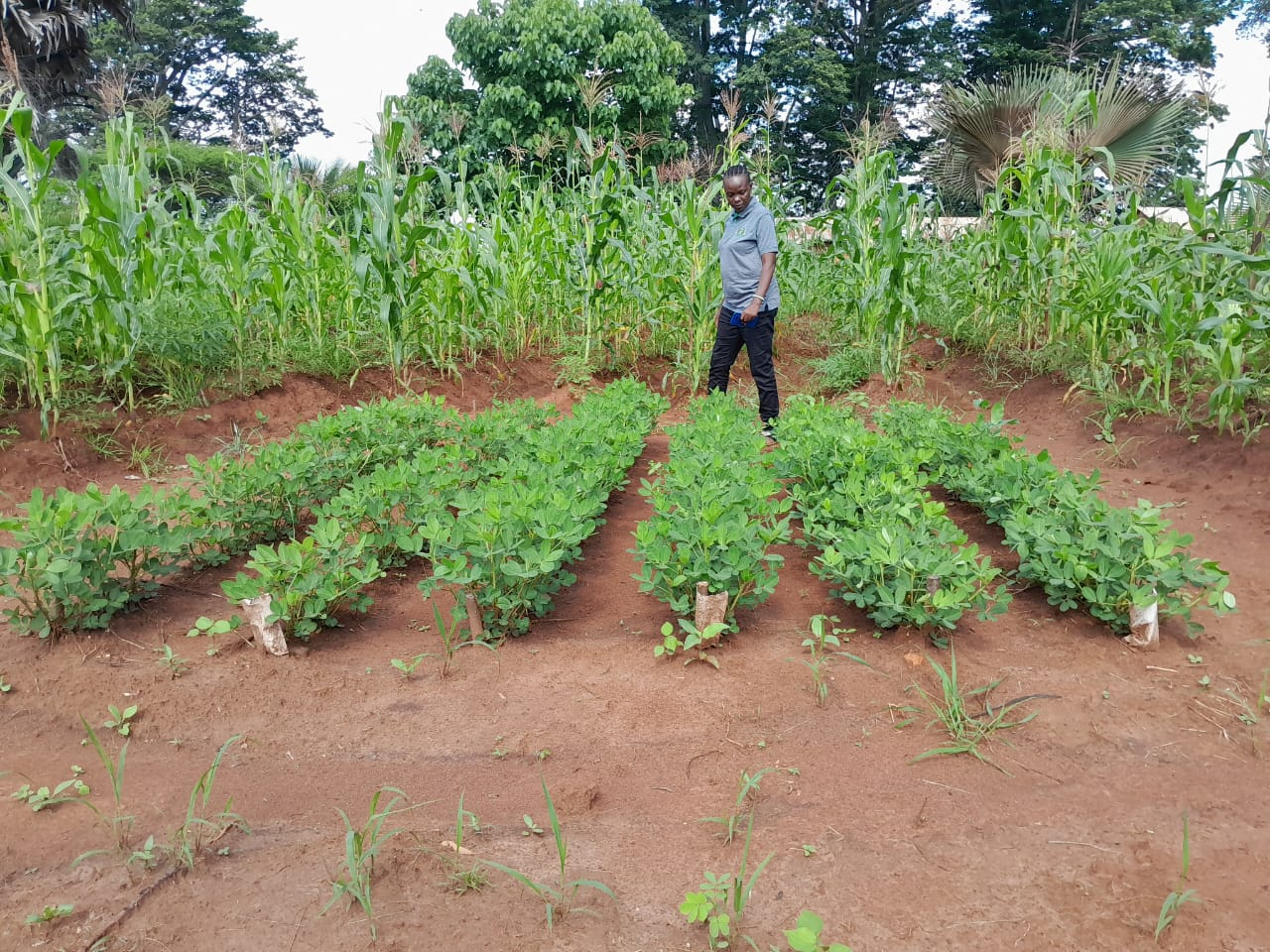
As a groundnut breeder at CIMMYT, Dr. Happy Daudi was looking for a better way to test new varieties on farmers’ fields—one that would give her robust data, real farmer feedback, and still be affordable. That’s when she turned to the tricot approach.
“Tricot gives us quality and robust data and is more cost effective than other methods for on-farm testing,” Happy explains. “Tricot also involves more farmers for better results.”
By design, tricot spreads trials across many farmers’ fields, rather than concentrating them in a few locations. This opens the door to more diverse conditions, more perspectives, and ultimately, better decisions.
What Tricot Taught Them
Happy and her team quickly learned that farmers’ willingness to participate is one of the most important ingredients for success. “When you come with a new and effective approach, they are more willing to participate,” she says.But involving many farmers also brings practical challenges. One major limitation is seed availability. To run tricot trials at scale, you need enough seed to supply all participating farmers. “If you want to involve many farmers, you need a lot of seed, and that can be a limitation, especially for crops with low multiplication rates.”
There were also language and cost issues. The ClimMob software platform used with tricot is only available in English, meaning that the agricultural extension officers had to work with farmers to translate it in local languages. Even so, the benefits to relationships with farmers are clear.“Tricot helps improve our engagement with the network of farmers and extension officers that participate,” she notes. Over time, that network becomes a strong foundation for future research and testing.
From Farmer Feedback to Varietal Release
One of the biggest impacts of tricot in Happy’s work has been on variety evaluation and release. “Tricot data helped us write a proposal for a varietal release,” she says. “Normally the farmer’s perspective is not well represented, but by collecting feedback from farmers via tricot we were able to develop a good product profile for groundnut.”
Instead of relying mainly on data from research stations, the team can now include what farmers actually prefer and experience in their own fields. That makes release proposals more relevant and more likely to lead to varieties that farmers will truly adopt.
New Insights: Genetic Gain and Market Segments
Tricot has also opened the door to new kinds of analysis.“With tricot, we can estimate on-farm genetic gain, which is important for research and breeding, and before tricot we could only do this with on-station data which was very different.” Testing varieties under real farm conditions helps reveal how they perform in the complexity of everyday agriculture—not just under controlled station environments.
Tricot also helps breeders understand market segments more clearly.“Tricot helped us group varieties according to market segment; for example, in Tanzania, farmers’ selection traits are different from zone to zone.” That means breeders can better match varieties to specific regions and farmer preferences, rather than assuming that one variety fits all.
Advice for Others Who Want to Use Tricot
If you’re considering tricot, Happy has some practical advice:
- Plan and organize carefully.“People must organize and plan well,” she says.
- Don’t be intimidated by the software.“Don’t worry about the software – it is easy to learn it.”
- Make sure you have enough seed.You need to know how many farmers you can realistically involve with the seed you have. “You need to multiply enough seeds for the trials so it is important to see how many farmers you can give seeds to with what you have.”
- Align trials with the growing season.Many farmers do not have irrigation, so timing is critical. “Keep in mind the trial needs to be according to the growing season as many farmers do not have irrigation.”
Is Tricot the Right Tool for Variety Evaluation?
For breeders, Happy’s answer is yes.“It is especially useful for breeders,” she says. “They can get more preference information than other approaches because tricot involves many farmers, who are the ones who would adopt the released varieties.” Tricot doesn’t just help estimate genetic gain—it also supports grouping varieties according to market segment and understanding who each variety is really for.
There are still challenges. Happy points out that the current methodology and software are stronger on qualitative data (like farmers’ rankings) than on quantitative data (like yield), and breeders need both. Improving how quantitative data are handled will make tricot even more powerful.Even so, her experience shows that tricot is a major step toward farmer-centered breeding—where farmers’ voices, preferences, and fields are at the heart of variety testing and release.
From Trials to Scale: How Tricot Guides Maize Variety Choices at One Acre Fund
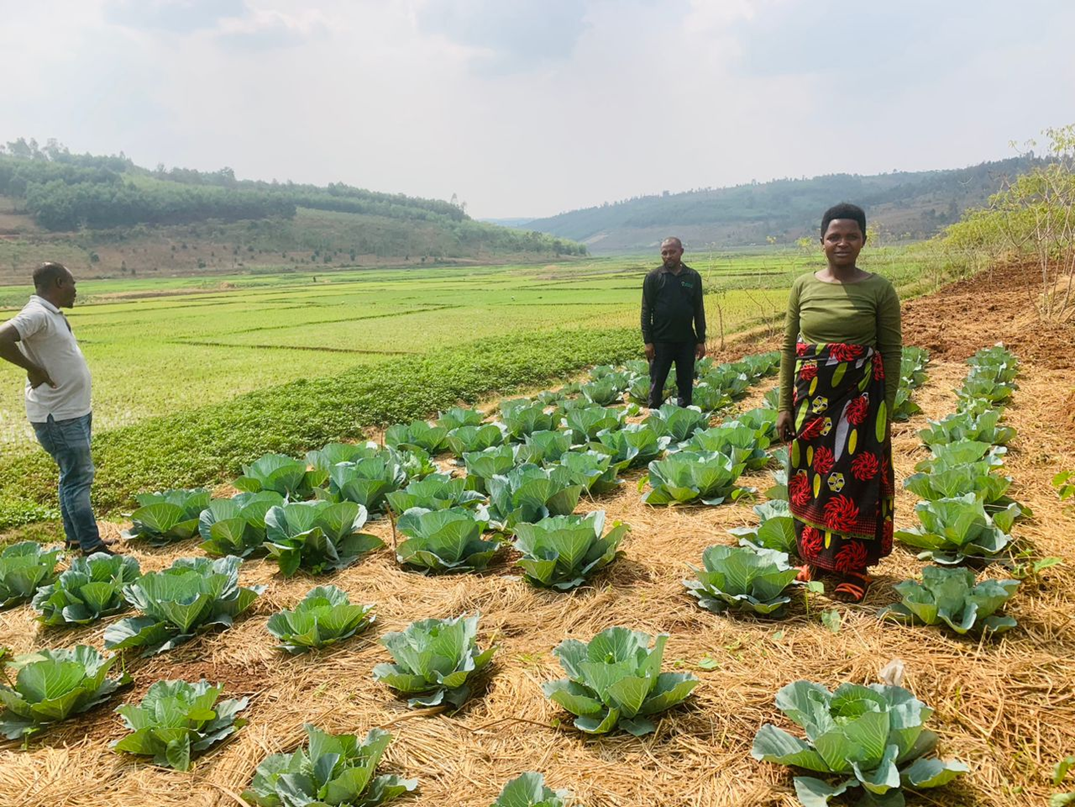
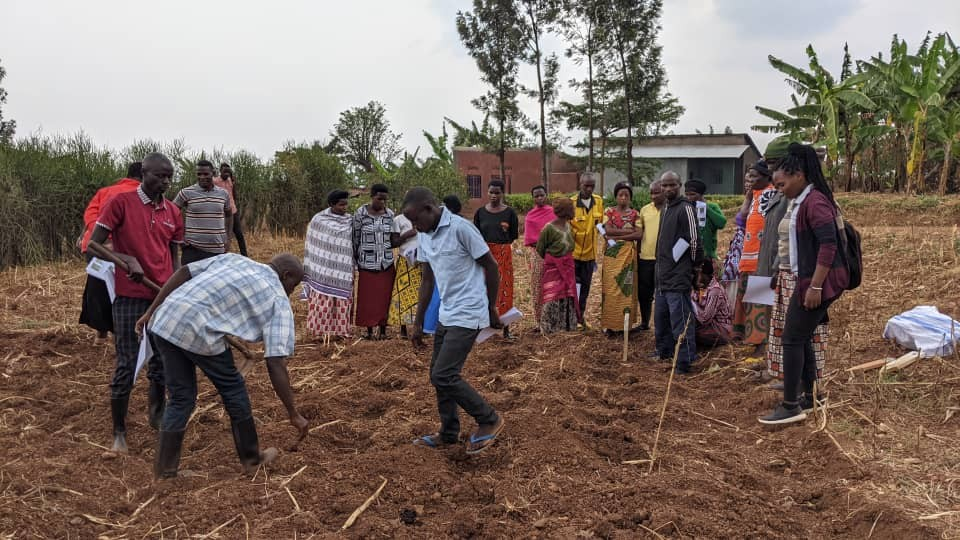
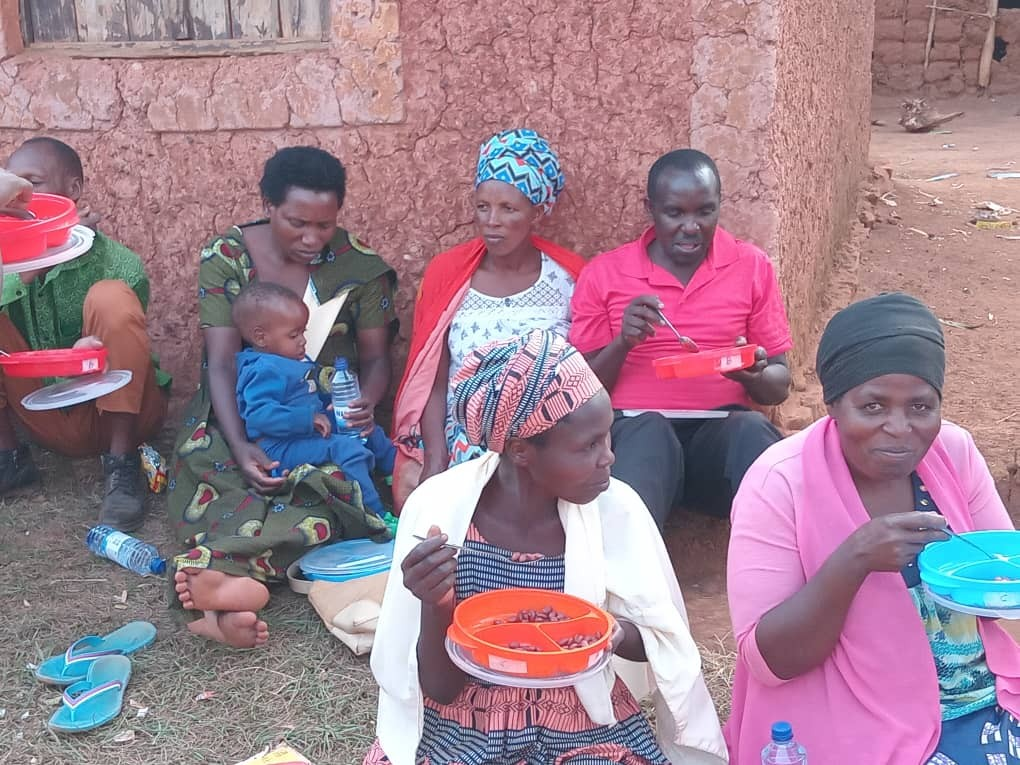
For Elyse Tuyishime and his team at One Acre Fund in Rwanda, the goal was clear: identify maize varieties with real potential to scale to farmers. With limited time and many candidate varieties, they needed an approach that could move quickly, involve farmers directly, and still generate reliable insights. They turned to the tricot approach.
Why Tricot?
Elyse and his colleagues chose tricot for three main reasons. First, it allowed them to test many varieties in a single season—up to 15 different maize varieties at once. This breadth is crucial when an organization wants to quickly pinpoint which options are worth investing in.
Second, by testing so many varieties at once, tricot helped them identify high-performing varieties faster and move more quickly toward scaling out the best options to farmers.
Third, tricot required less follow-up than other approaches. Compared to more traditional methods, it meant fewer visits to farmers and less time required to complete the trials, a major advantage for a field-based organization working across many communities.
What They Learned From Using Tricot
As they implemented tricot, Elyse’s team uncovered several important lessons. One of the most striking was the value of blind testing. When farmers did not know which variety was which, it reduced bias and sparked more curiosity about the results. Farmers were genuinely interested in seeing which varieties would come out on top.
They also discovered how reliable ranking data can be. The rankings farmers provided highlighted traits that drive real-world preferences—for example, maize grain size, which might be overlooked if the focus stayed only on yield. Farmers themselves appreciated how simple the tricot trials were. Many found the approach easy to follow and, as a result, were willing to participate in more than one tricot trial.
At the same time, the team realized that tricot is better suited to testing crop varieties than farming practices. When they tried to use tricot to test practices, such as different management techniques, the training required for farmers became more complicated, and the approach was less straightforward.
Supporting Better Decisions
Tricot has directly shaped decision making at One Acre Fund. Elyse notes that the approach has helped breeders refine their variety catalogues, because it highlights the traits that actually drive farmer preferences—again, grain size being a clear example.
Tricot also enabled the team to produce maps showing variety prioritization by zone. These maps indicate which varieties perform best and are most preferred in specific areas, making it much easier to target variety recommendations and support adoption in a more precise, zone-by-zone way.
Finally, tricot helped them filter down their options. Instead of being overwhelmed by many similar-looking varieties, they were able to narrow the list to one to three strong candidates with real potential to scale out to farmers.
Advice for Those Considering Tricot
Elyse recognizes that many people used to traditional approaches don’t immediately trust tricot. Ranking data can look less precise than standard measurements, and some teams are unfamiliar with how to analyze it. His message to them is clear: think of tricot as capturing farmers’ best choices.He points out that ranking data often reveals differences that traditional methods miss, and that farmers are capable of evaluating any trait, no matter how complex, if trials are designed well.
Tricot, he argues, can help breeders:
- Determine which traits are truly worth improving
- See whether new varieties are actually better than existing ones from the farmers’ point of view
In this way, tricot becomes a powerful bridge between breeding decisions and farmer realities.
A Tool for Evaluation and Marketing
Elyse also sees tricot as valuable beyond breeding trials—it is helpful for variety evaluation and marketing. Because it consolidates feedback from many farmers, tricot offers a breadth of perspective that is difficult to achieve with more traditional approaches. It also shows which traits farmers are already aware of and which traits may require more marketing and awareness-raising.
For organizations like One Acre Fund, this insight is essential, not only for choosing which varieties to promote, but also for shaping the messages and training that accompany them.
Challenges and Requirements
Tricot is not without its challenges. Elyse notes that the approach involves a series of sequential steps that cannot be skipped. This structure ensures the quality of the data but can sometimes make implementation feel complicated. In addition, tricot requires a dedicated field-based team to engage with farmers, manage trials, and support data collection.
Despite these demands, his experience in Rwanda shows that tricot can be a highly effective way to find the right maize varieties quickly, understand what farmers truly value, and support smarter, more targeted scaling decisions—all while keeping farmers’ voices at the center of the process.
Using Tricot to Hear Farmers’ Voices in Bean Breeding
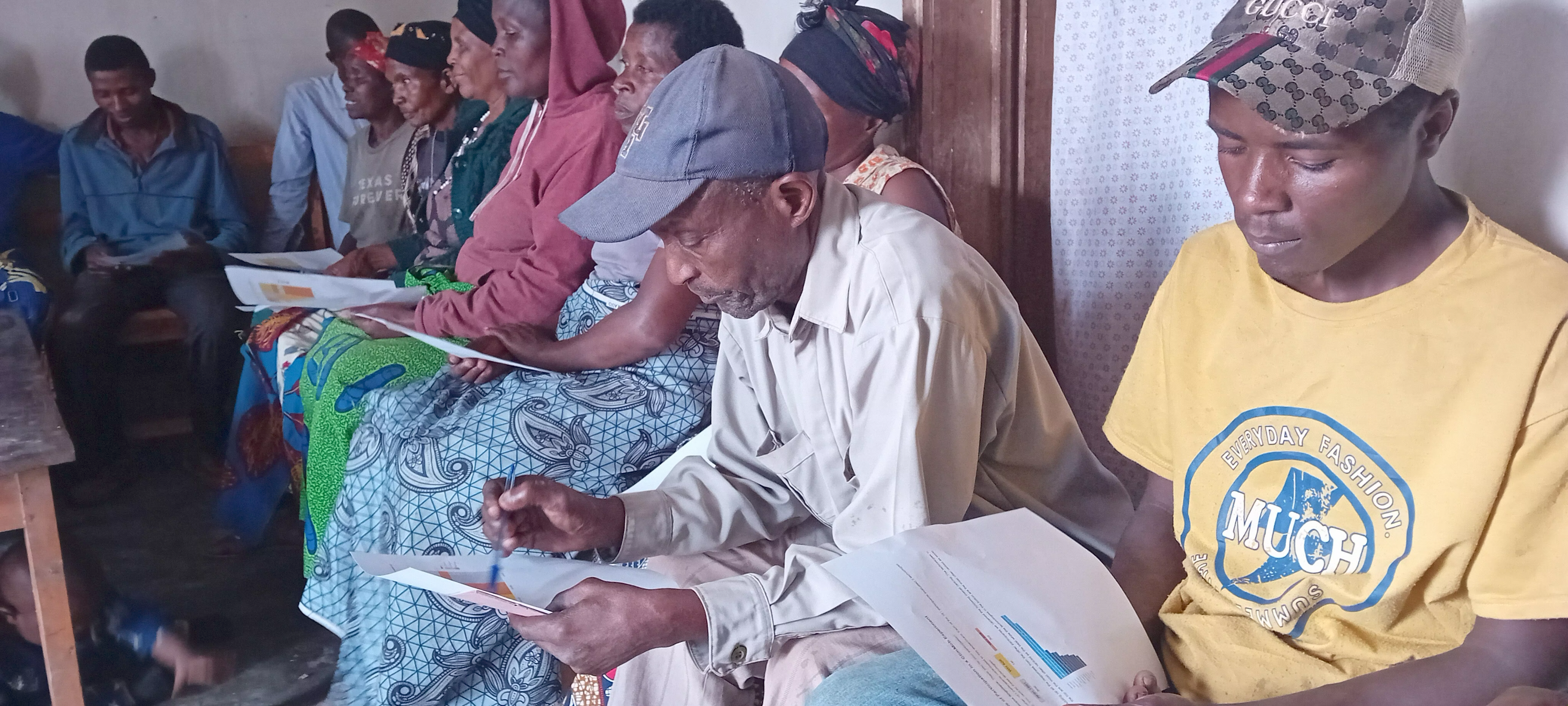
When Edith Kadege began her PhD research on common beans in Tanzania, she wanted to go beyond on on-station trials and really understand what farmers value in their bean varieties. Working with the Tanzania Research Institute (TARI), she chose the tricot approach as her main tool.
There were other participatory methods available, such as participatory varietal selection, but tricot offered clear advantages. It is simple for farmers to use and can involve large numbers of farmers across diverse environments. That wide involvement leads to more accurate, more representative assessments. Because tricot is based on ranking a small set of varieties, it can generate meaningful insights from relatively few trials. It also requires less time and effort from farmers, which has translated into higher participation and lower dropout rates in Edith’s work. On top of that, it is cost-effective, using fewer resources—time, materials and personnel—than many traditional methods.
Edith also appreciates that tricot reduces bias. In conventional group evaluations, farmers may be influenced by each other’s opinions and some traits may be overlooked. With tricot, farmers evaluate varieties in their own fields, leading to more honest and nuanced feedback.
What She Learned From Using Tricot
Through her tricot trials, Edith gained both practical and strategic lessons. First, she saw the value of instant data. Using tools like ODK, she could receive data as trials were ongoing, allowing her to detect errors and fix problems during the season instead of after it was over.
Second, she noticed that because tricot is inclusive, many farmers are already familiar with the varieties by the time they are released. This early exposure helps boost adoption rates, since farmers have already tested the varieties themselves.
New Insights on Beans, Disease and Preferences
The tricot trials delivered several important insights about common beans and the people who grow them. Edith and her colleagues realized the significance of anthracnose disease in common bean and observed that infection levels varied across agroecological zones. This highlighted a clear need for targeted disease management and resistant varieties.
In terms of traits, farmers consistently prioritized:
- High yield
- Market acceptance
- Disease resistance
However, tricot also surfaced other considerations that might not appear in standard trials. Farmers discussed cooking beans with banana and intercropping beans with other crops, underlining the importance of integrating cultural practices and farming systems into breeding priorities.
The approach also helped identify gender- and age-specific preferences:
- Women tended to focus on post-harvest traits such as storage and cooking qualities.
- Men emphasized agronomic traits, including field performance and plant characteristics.
- Youth often prioritized marketability and income potential.
For Edith, this showed that breeders shouldn’t treat “farmers” as a single, uniform group. Instead, they should first identify who the end users are—by gender, age and cultural context to design varieties that will truly be adopted.
Why She Recommends Tricot
From Edith’s experience, tricot is:
- Simple and practical
- Low-cost
- Able to involve many farmers across different environments
Because so many farmers test the varieties themselves, post-trial adoption rates tend to be higher—people already know how the varieties perform in their own fields.She believes tricot is very appropriate for variety evaluation and release. It generates enough data to show when a particular variety is high-performing and suitable for a range of conditions.Looking ahead, Edith argues that future research in Africa and beyond should use tricot more widely to promote new varieties and improve crop productivity, nutrition and income.
Challenges and Room for Improvement
Despite the benefits, there are challenges that Edith would like to see addressed, especially in the ClimMob platform that supports tricot. She and her team found it harder to collect and manage quantitative data, such as disease infection levels, and to integrate supplementary data. At present, the system is stronger on qualitative rankings than on numeric traits. But breeders also want to know: How much is “high yield”? How severe is disease infection? For Edith, improving the handling of quantitative data would make tricot even more powerful for breeding programs.
Even with these challenges, her experience with tricot shows how the approach can bring farmers’ voices and realities to the center of bean breeding—helping shape varieties that work not just in trials, but in the everyday lives and fields of Tanzanian farmers.